Packera multilobata and P. quercetorum Rosette Leaf Variation
on the South Rim area of the Grand Canyon
on the South Rim area of the Grand Canyon
The purpose of this page is show the variation in Packera rosettes, in plants that have no flower stems, on the South Rim area of the Grand Canyon to see if the species can reliably be distinguished for plants at that stage.
Plants from the Grand Canyon South Rim are given in the left column, and plants from the Sedona area are given in the right column.
The Sedona area was used for comparison because it is the type locality for P. quercetorum. Although both species are present there, P. quercetorum is said to be much more abundant there than is P. multilobata. All of the rosettes shown below are determined as P. quercetorum at iNat, and that appears to be correct. Some of them, mostly the ones with the most leaves, were observed by Max Licher in bloom previously.
For each species, rosettes with fewer leaves are at the top of each column, and ones with the most leaves at the bottom.
Each photograph is labeled directly underneath the photograph with a short name to make it easy to refer to a given plant. My determinations for each plant are given as well.
Packera multilobata is much more abundant at the Grand Canyon South Rim than is P. quercetorum. There are 39 vouchers of P. multilobata from the South Rim area, but only a single voucher of P. quercetorum that is from just south of the Park border, in the Ten X campground two miles south of the southern Park entrance. In my review of the iNat posts from the South Rim area that showed enough of the plant for a reliable determination, there are 82 iNat obs that are clearly P. multilobata, with only P. multilobata leaves and/or the short inflorescence of P. multilobata, and no obs at all that appear to be P. quercetorum. Most of those iNat observations have an inflorescence.
The expectation is therefore that most of the Packera rosettes shown below are P. multilobata, although a small number could be P. quercetorum.
The problem in identification of young rosettes of P. multilobata is that in seedlings, apparently its first leaves have no or few lobes, with a terminal lobe much bigger than the other lobes, making them look like the leaves of P. quercetorum. Later leaves become normal leaves for P. multilobata with many lateral lobes, and the terminal lobe becomes much less prominent that the terminal lobe of P. quercetorum. A good example showing the transition in leaf shapes is the plant labeled GC15 below.
Plants of P. multilobata which are resprouting in successive years may only have the typical leaves of that species. Examples are GC9 and GC13.
Click on the photographs to go to the original iNat obs.
| Grand Canyon plants | Sedona plants | |
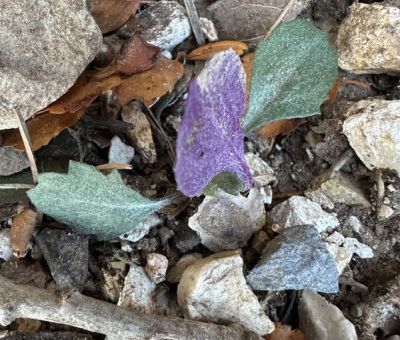
GC1 Too young to tell the species? | (Intentionally blank) | |
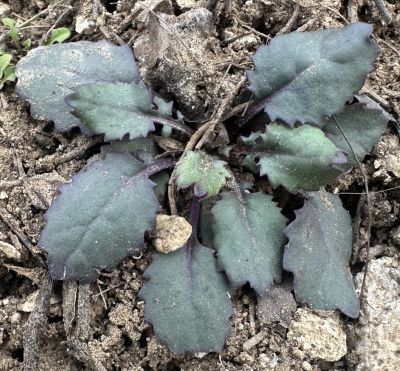
GC2 TJC: P. quercetorum? | 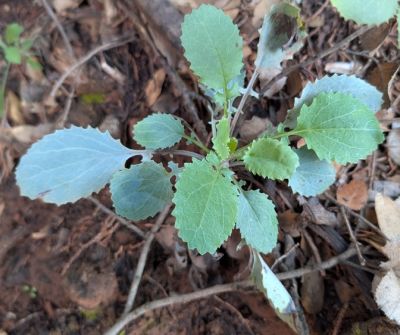
SED1 TJC: P. quercetorum | |
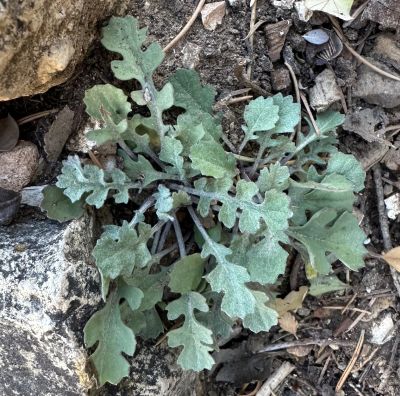
GC3. Multiple plants growing together. TJC: P. multilobata | 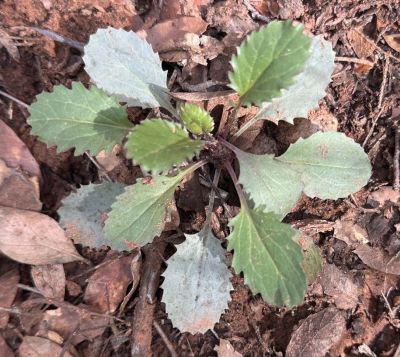
SED2 TJC: P. quercetorum | |
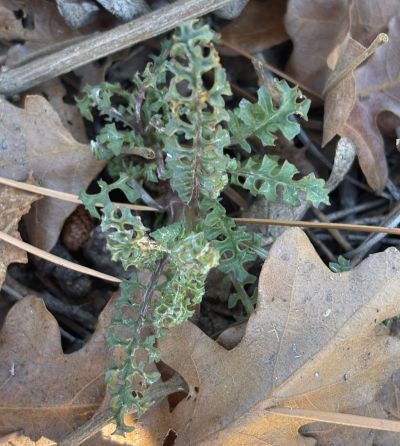
GC4 TJC: P. multilobata | 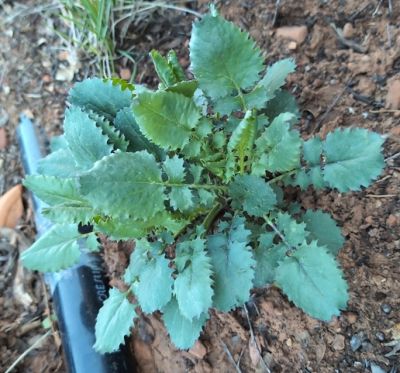
SED3. Two plants growing intermingled. TJC: P. quercetorum. However, the terminal lobe is just 10 mm wide, assuming the pen is ~8 mm wide. But that small size might just be due to the age of the plant. | |
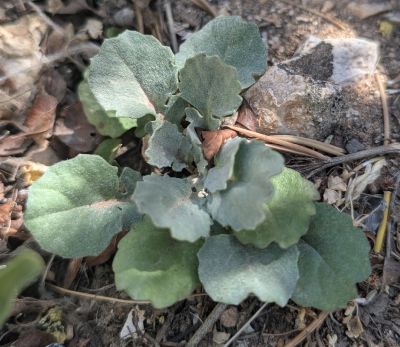
GC5 TJC: P. quercetorum? But odd-looking for either species. | 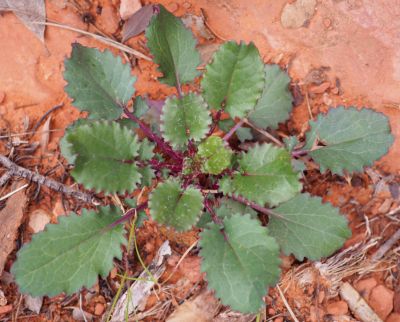
SED4 TJC: P. quercetorum | |
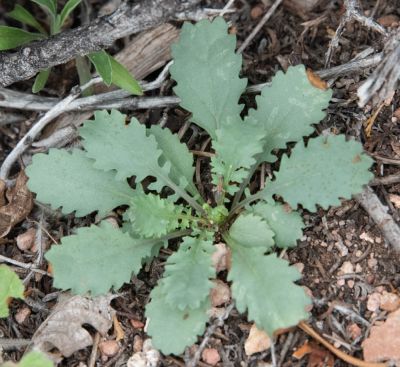
GC6 TJC: P. quercetorum? | 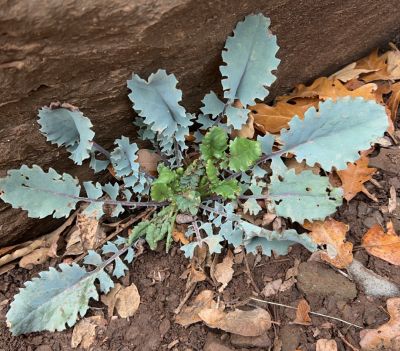
SED5 TJC: P. quercetorum | |
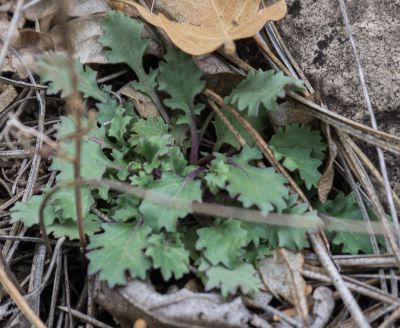
GC7 TJC: P. quercetorum? | 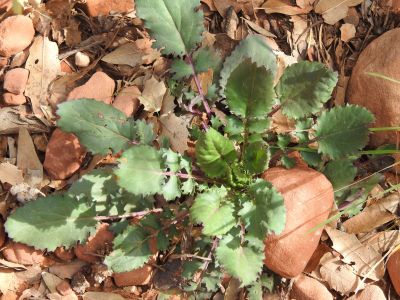
SED6 TJC: P. quercetorum | |
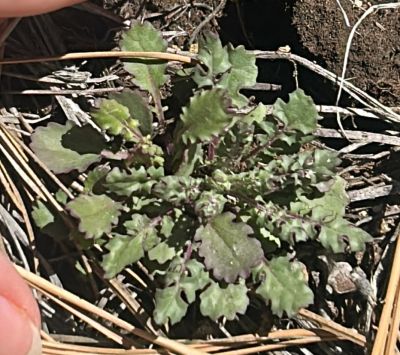
GC8 TJC: P. multilobata | 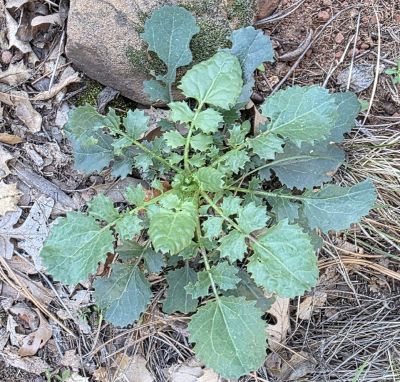
SED7 TJC: P. quercetorum Max Licher: "winter rosette of P. quercetorum". | |
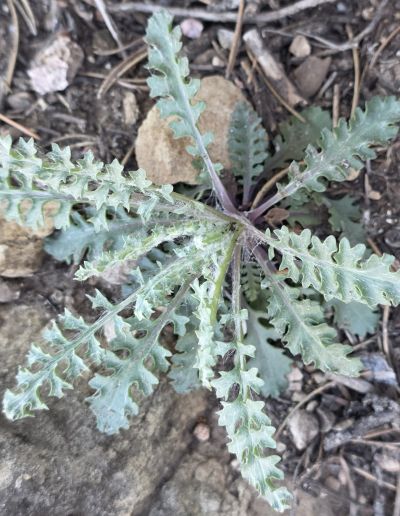
GC9 TJC: P. multilobata | 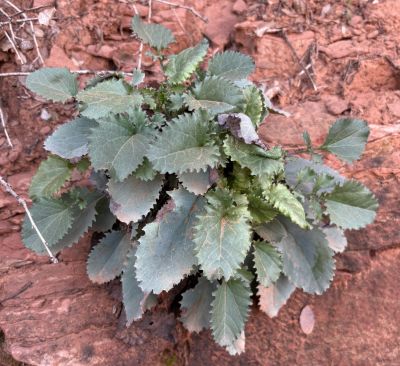
SED8 TJC: P. quercetorum | |
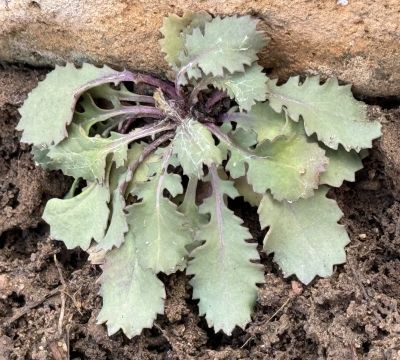
GC10 TJC: P. quercetorum? | 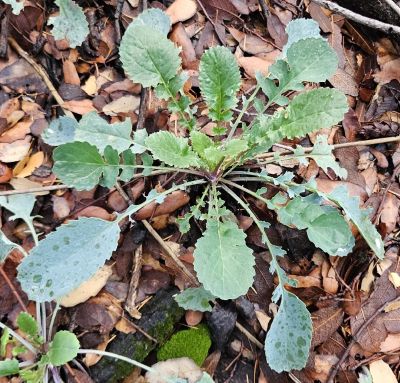
SED9 TJC: P. quercetorum | |
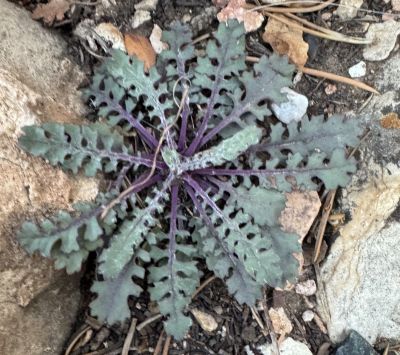
GC11 TJC: P. multilobata | 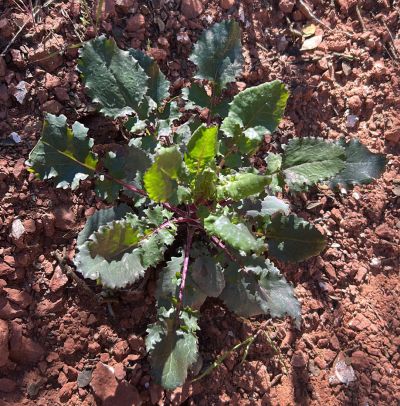
SED10 TJC: P. quercetorum | |
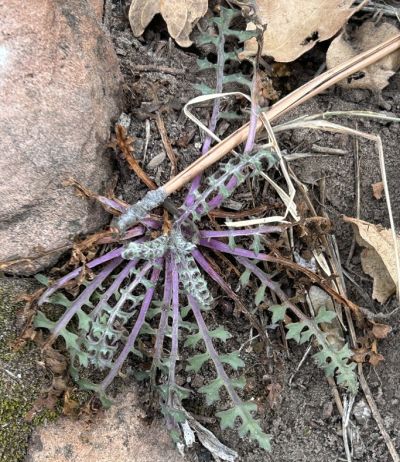
GC12 TJC: P. multilobata | 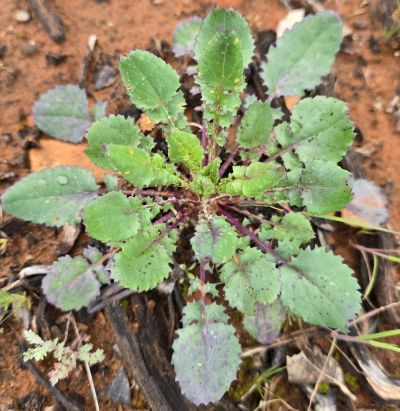
SED11 TJC: P. quercetorum | |
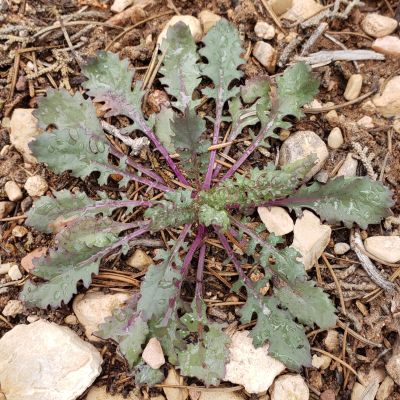
GC13 TJC: P. multilobata | 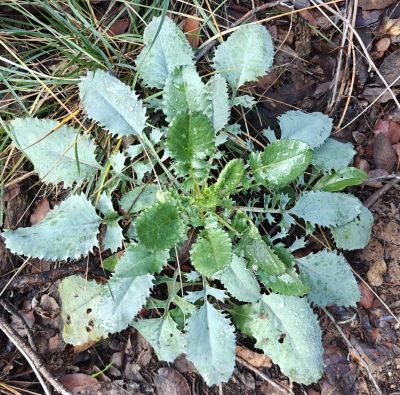
SED12 TJC: P. quercetorum | |
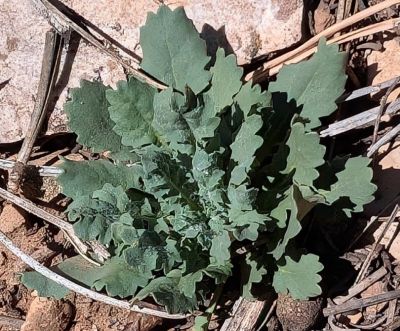
GC14 Looks different from either species. | 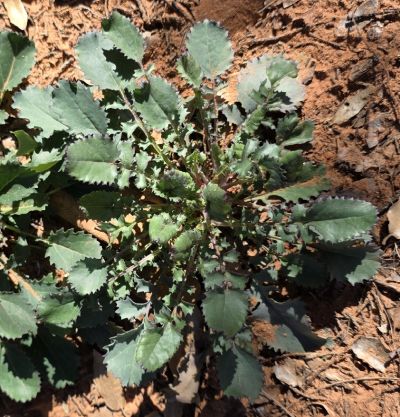
SED13, P. quercetorum Two plants growing side by side, with the left one mostly not in the pix. TJC: P. quercetorum Max Licher: "Winter rosette from known population of P. quercetorum". | |
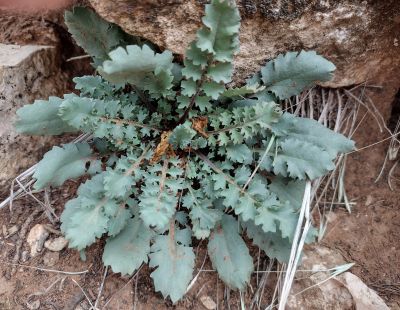
GC15 TJC: P. multilobata | (Intentionally blank) | |
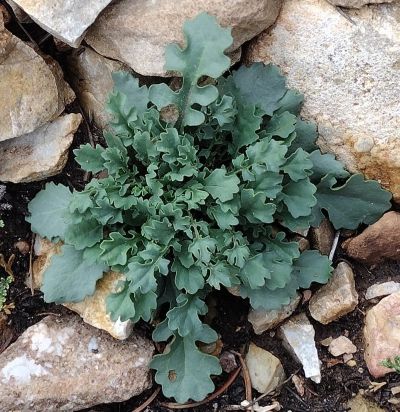
GC16 TJC: P. multilobata | (Intentionally blank) | |
| Fig. 1.
Click on the pictures to go to the original source, usually the iNat obs, which gives the information as to who took the photos. | ||