Plant Species of the Grand Canyon South Rim Area:
Astragalus species
Astragalus species
Introduction
Species List and Identification Tips
Photos of our Six Species with Mostly a Rosette of Basal Leaves
Photos of our Six Species with Stems with Cauline Leaves
Introduction
This page is only partially finished, with pictures of two plant species at the bottom of the page yet to be added
This page gives a pictorial comparison of the most common Astragalus species found in the South Rim area of the Grand Canyon, roughly from Hermits Rest on the west to Desert View Tower on the east, and the Colorado River on the north to the Park Boundary on the south.
There are roughly 2,500 Astragalus species worldwide, including 380 in California, over 150 in Arizona. The 1987 Grand Canyon National Park Flora listed 26 taxa (including varieties), and the latest Checklist for the park listed 31 taxa.
Many of these taxa are similar and hard to tell apart, since there are only so many variations of plant habit, leaves, inflorescences, and flowers that can distinguish the species. With so many species, identification of individual species sometimes requires knowledge of not only all those characteristics, but sometimes additional minute details.
Geographic circumscription greatly helps in distinguishing the species, since it cuts down the number of possible species. Since this page deals only with the species found in the South Rim area as described above, there are only 12 species that need to be distinguished. Eight of those 12 species can be readily identified, with only four species, in two sets of two species pairs, that require closer examination to make sure of their identification.
Species List and Identification Tips
Photos of our Six Species with Mostly a Rosette of Basal Leaves
A. amphioxys
A. tephrodes
A. calycosus
A. castaneiformis
A. cremnophylax
A. newberryi
| A. amphioxys | A. tephrodes |
| 
|
| 
|
| 
|
| 
|
| 
|
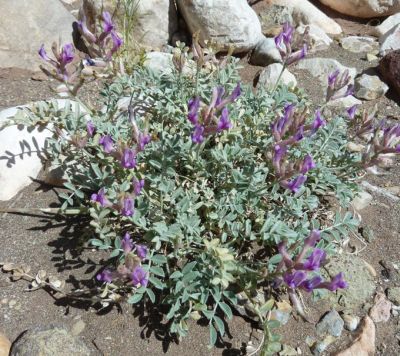
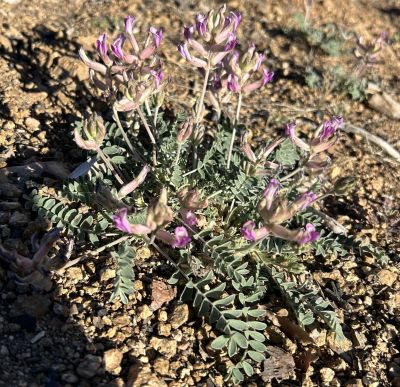
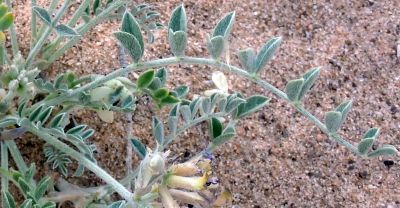
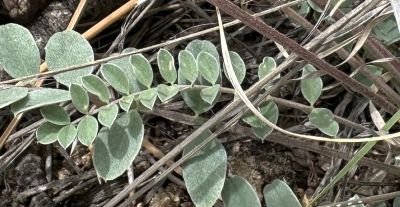
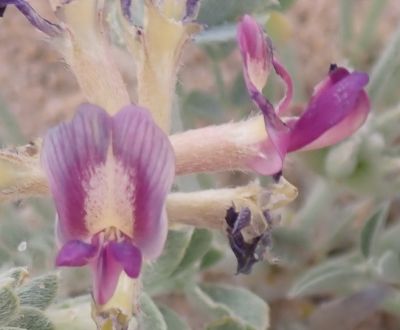
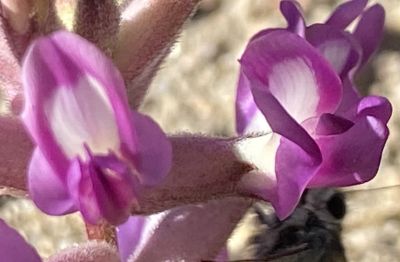
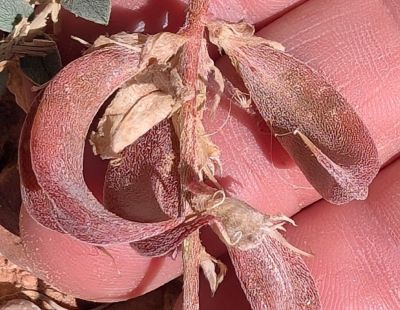
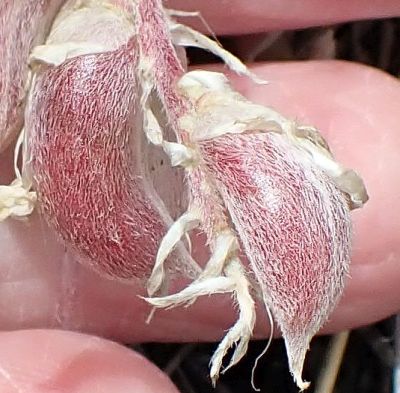
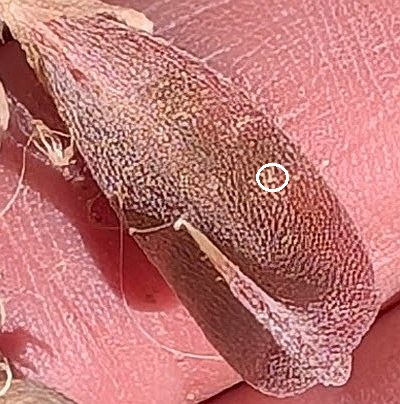
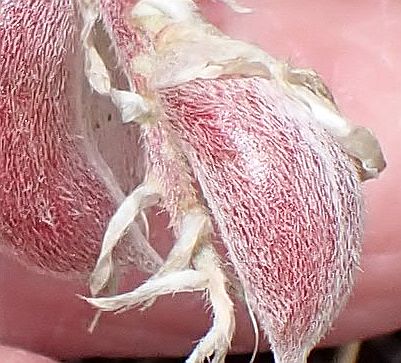
| Fig. 1. Photos of the entire plant (top row); leaf (second row); flower (third row); fruit (fourth row); and the hairs on the fruit (bottom row); of A. amphioxys (left column) and A. tephrodes (right column). A. amphioxys has T- or Y-shaped branched hairs; one is circled in the bottom left pix. When viewed from directly above,the two branches of the hair are generally not in a straight line. The hairs of A. tephrodes have no branches and are attached to the fruit at one end.
Click on the pictures to get a larger version or to go to the original iNat observation. | |
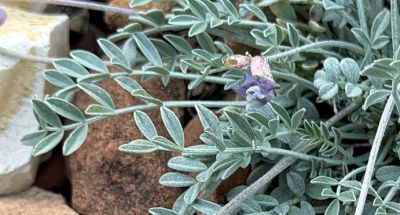
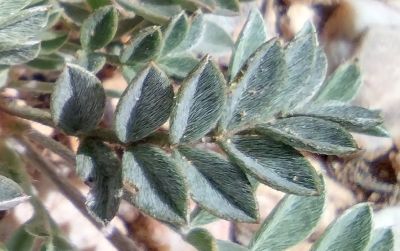
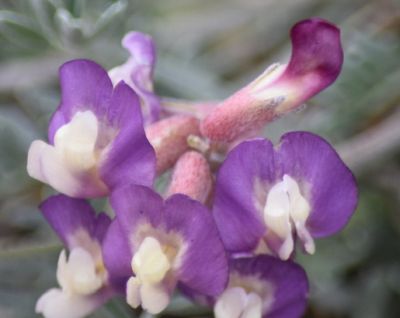
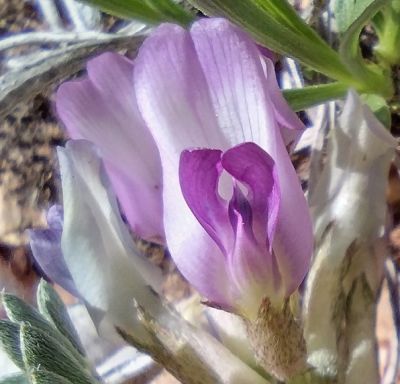
| A. calycosus | A. castaneiformis |
| 
|
| 
|
| 
|
| 
|
| 
|
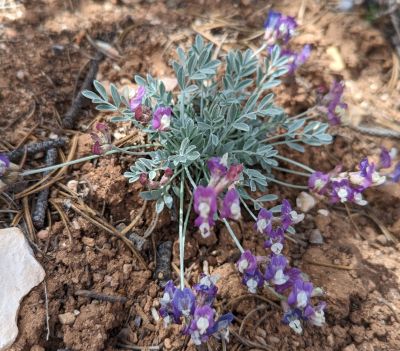
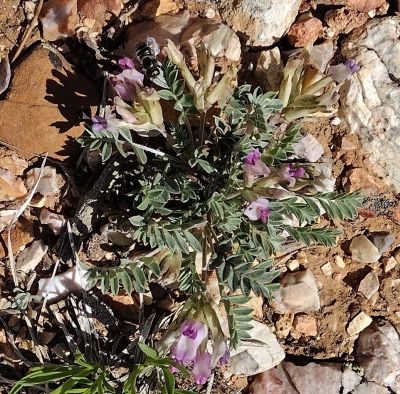
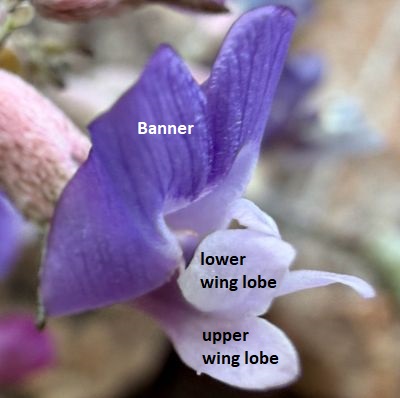
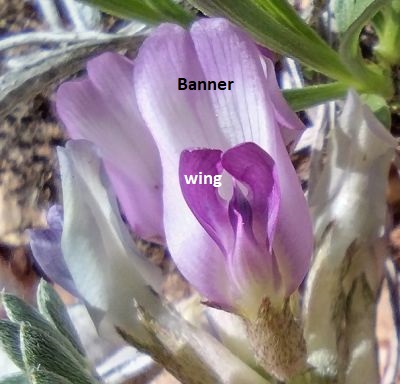
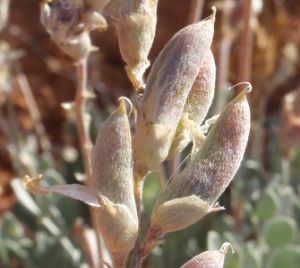
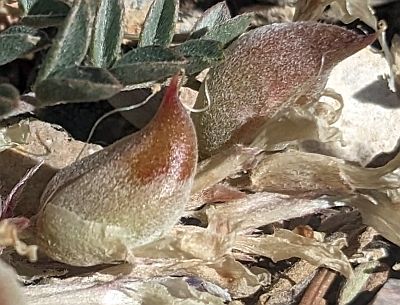
| Fig. 2. Photos of the entire plant (top row); leaf (second row); flower (third and fourth rows); and fruit (bottom row) of A. calycosus (left column) and A. castaneiformis (right column). The labeled photo of the flower of A. calycosus shows the bilobed wing tips of one of the wing petals, with an erect lower lobe and an upper wing lobe that is twisted toward the banner. The labeled photo of the flower of A. castaneiformis shows the unlobed wing tip. Because this is a face-on view of the flower, both wing petals are seen equally, whereas in the photo of A. calycosus the wing petal in the foreground mostly hides the other wing petal.
Click on the pictures to get a larger version or to go to the original iNat observation. | |
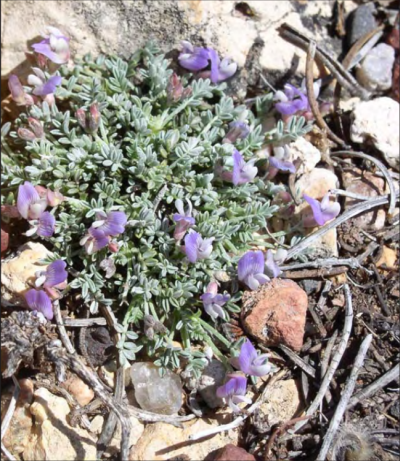
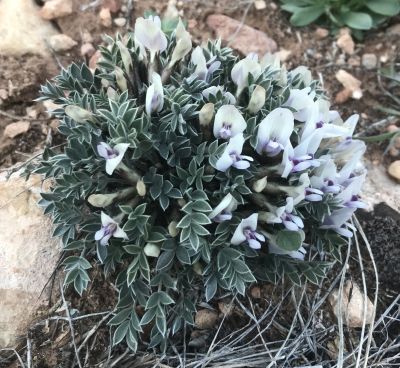
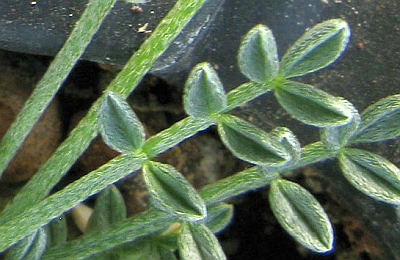
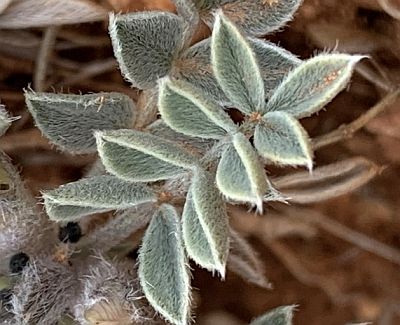
| A. cremnophylax | A. newberryi |
| 
|
| 
|
| 
|
| 
|
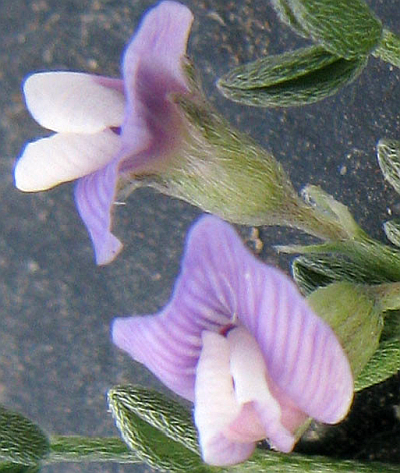
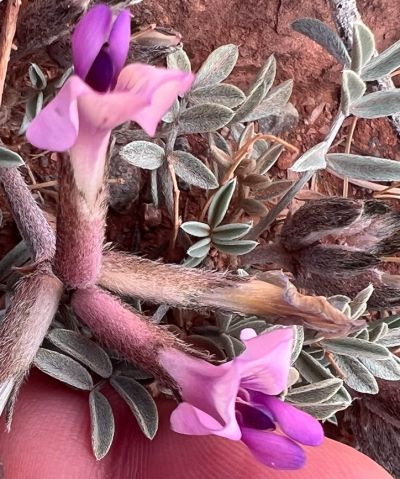
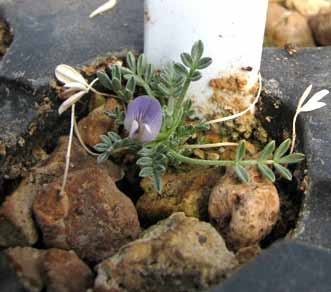
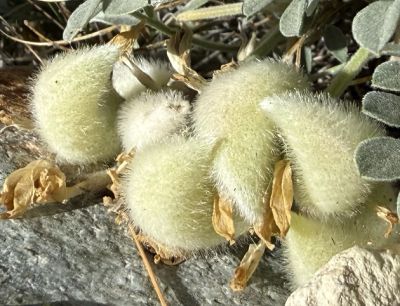
| Fig. 3. Photos of the entire plant (top row); leaf (second row); flower (third row); and fruit (bottom row) of A. cremnophylax (left column) and A. newberryi (right column). I couldn't find any close-up photos of the fruit of A. cremnophylax. The photo shows the persistent fruit after it has opened, the white objects at the end of two stems.
Click on the pictures to get a larger version or to go to the original iNat observation. | |
Photos of our Six Species with Stems with Cauline Leaves
A. humistratus
A. nuttallianus
A. oophorus
A. emoryanus
A. lentiginosus
A. mokiacensis
| A. humistratus | A. nuttallianus |
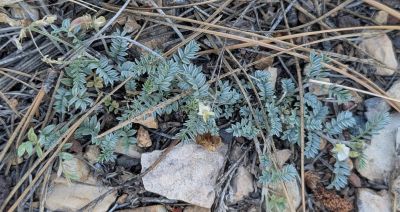
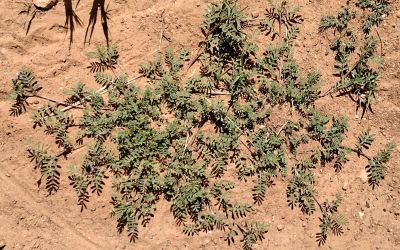
| 
|
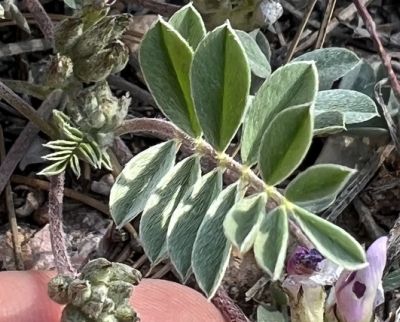
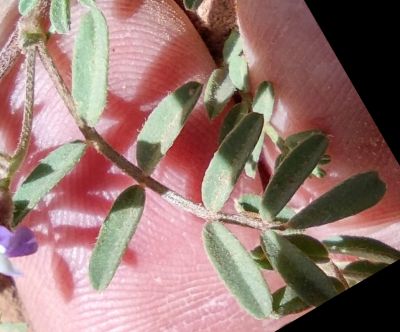
| 
|
| 
|
| 
|
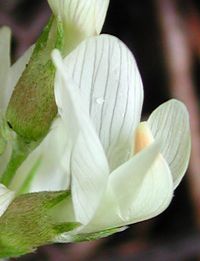
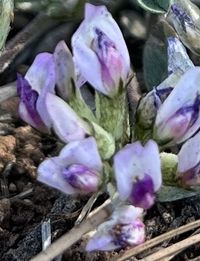
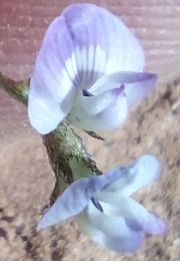
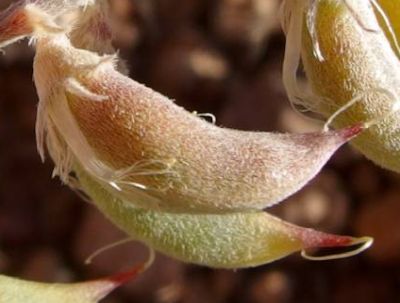
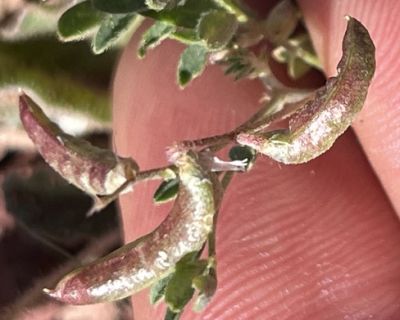
| Fig. 4. Photos of the entire plant (top row); leaf (second row); flower (third row); and fruit (bottom row) of A. humistratus (left column) and A. nuttallianus (right column). The flowers of A. humistratus can be white or purple; an example of each is shown.
Click on the pictures to get a larger version or to go to the original iNat observation. | |
| A. oophorus | A. emoryanus |
| 
|
|
|
|
|
|
|
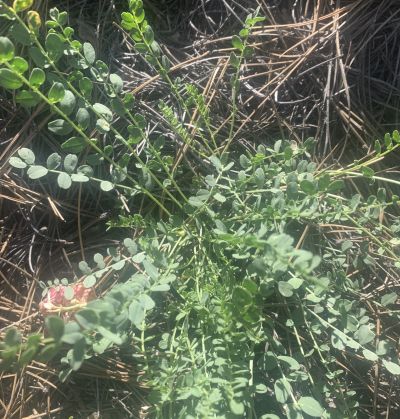
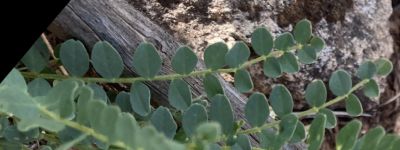
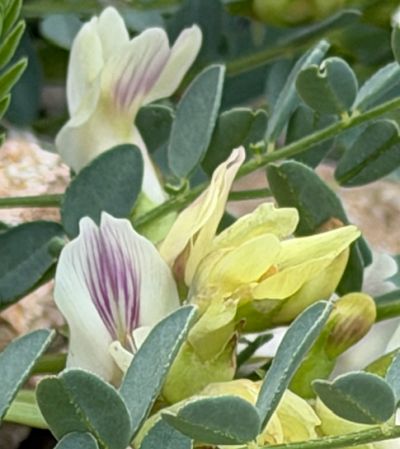
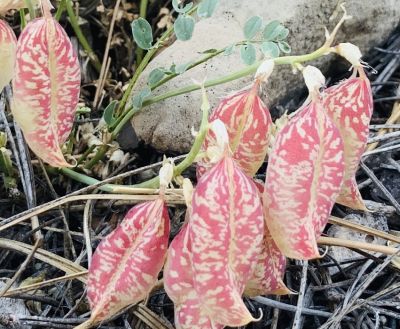
| Fig. 5. Photos of the entire plant (top row); leaf (second row); flower (third row); and fruit (bottom row) of A. oophorus (left column) and A. emoryanus (right column).
Click on the pictures to get a larger version or to go to the original iNat observation. | |
| A. lentiginosus | A. mokiacensis |
|
|
|
|
|
|
|
|
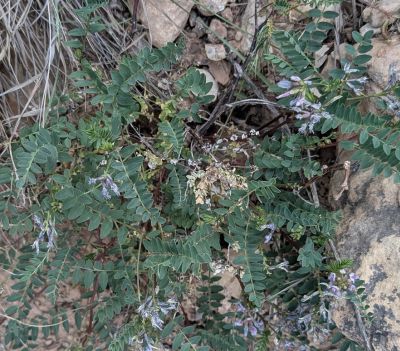
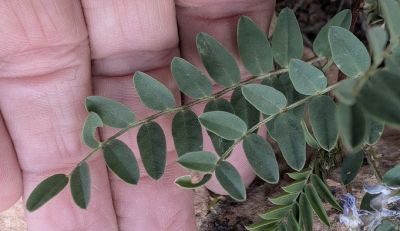
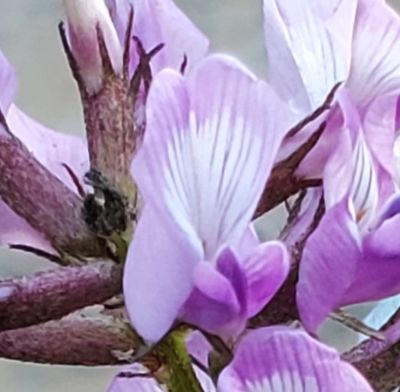
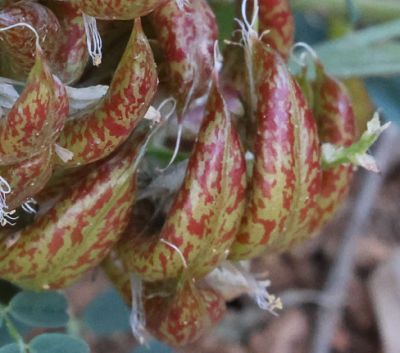
| Fig. 6. Photos of the entire plant (top row); leaf (second row); flower (third row); and fruit (bottom row) of A. lentiginosus (left column) and A. mokiacensis (right column).
Click on the pictures to get a larger version or to go to the original iNat observation. | |